A Great-Looking Website Can Still Be Built on a House of Cards
A polished website can still be slow, fragile, or insecure. Learn what business owners should ask about performance, security, backups, and scale.
 Trung Nguyen
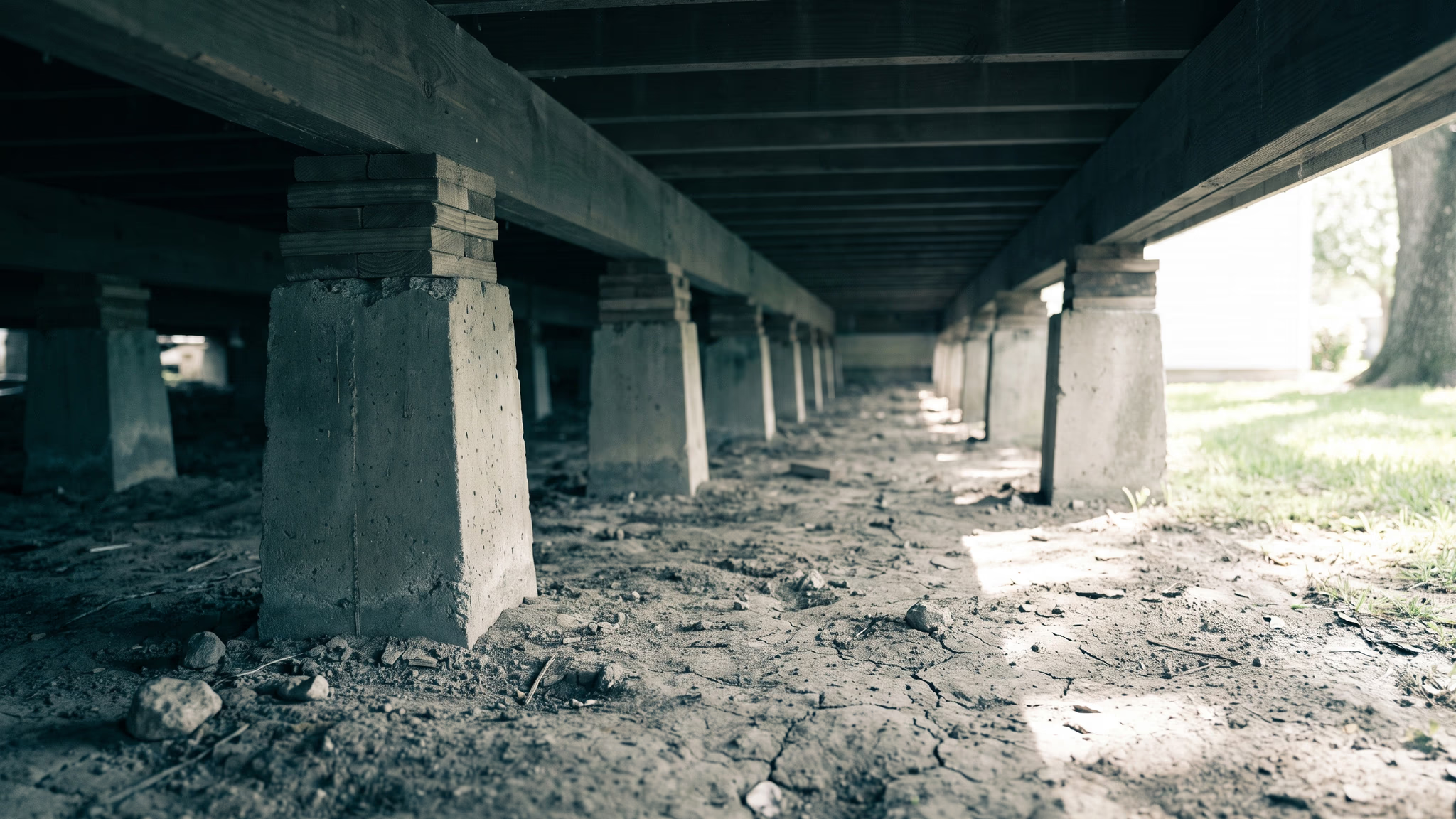
Table of Contents
Most business owners judge a website by what they can see. Does it look modern? Does it feel professional? Is it easy to use?
Those things matter. I’m a designer. I’m not going to sit here and pretend appearance is secondary.
But a website can look incredible and still be a mess underneath.
Think about a house. You can walk into a beautiful home with marble floors, white oak cabinets, expensive appliances, and a perfect backyard. None of that tells you whether the foundation is sinking, the wiring is safe, or the plumbing is about to flood the place.
Websites are the same way.
A polished homepage tells you almost nothing about whether the website is fast, secure, maintainable, backed up, monitored, or built to handle what the business may eventually ask of it.
The Part of Your Website You Don’t See Still Affects the Business
The technical foundation usually becomes important when something goes wrong.
Maybe the website looks fine under normal traffic, then a campaign takes off and the site starts struggling. Maybe an old dependency creates a security problem. Maybe something breaks during an update and nobody has a clean backup to restore. Maybe the site has been running slowly for months and nobody is actually monitoring it.
Performance is not just a developer metric either. Google’s Core Web Vitals measure real user experience across loading, interactivity, and visual stability. In other words, the technical side directly affects how the website feels to the person trying to use it.
Security is the same way. There isn’t one magical “secure website” setting. OWASP’s 2025 list of major web application security risks includes things like broken access control, security misconfiguration, software supply chain failures, insecure design, and authentication failures.
That is why I look at the website as a system, not just a collection of pages.
You Do Not Need Enterprise Infrastructure for Every Website
There is another side to this that gets ignored.
Not every business needs some massive custom infrastructure setup. A five-page website for a local service company does not need to be engineered like Amazon. Overengineering is still bad engineering if you are spending money and creating complexity the business does not need.
I also would not tell someone that WordPress, Wix, Shopify, Webflow, or any other platform is automatically good or bad. That is lazy thinking.
A custom website can be built terribly. A website on an off-the-shelf platform can be built and maintained extremely well.
The platform matters, but the platform name is not the technical strategy. What matters is whether the setup fits the business, the traffic, the functionality, the security risk, the maintenance requirements, and what the company expects the website to do later.
Ask Better Questions Before Something Breaks
You do not need to become a developer or network engineer to evaluate your website. But someone involved needs to understand the answers.
Before I trusted the technical foundation of a business-critical website, I would ask:
- If traffic suddenly jumps, what is most likely to break first?
- Who is responsible for updates, dependencies, security patches, and maintenance?
- Are backups automatic, and has anyone actually tested restoring one?
- How would we know if the site is down, compromised, or performing badly?
- If the website handles payments, leads, logins, or other sensitive information, where does that data go and who can access it?
If the person responsible for your website cannot answer basic questions like these without hand-waving, that is the problem.
You do not need to understand every technical detail. You need to know that somebody does.
Design and Technical Decisions Are Connected
This is one reason my team and I do not separate design from the technical side of the website as if they are two unrelated things.
We have a backend developer on our team with a network engineering background. That knowledge matters because technical decisions can change what we should build, how we should build it, what risks need to be accounted for, and how the site should be maintained after launch.
When I am thinking through a website, I do not only care about the best-case scenario where everything works perfectly. I also want to know what failure looks like.
If something breaks, how bad is it? Can we recover? Who gets notified? Does the business lose a few minutes, a few hours, customer information, or an entire sales opportunity?
That is the kind of thinking I want happening before there is a problem, not during one.
The Worst Time to Learn About Your Foundation Is After It Fails
The worst time to find out your backups do not work is after you need one.
The worst time to find out your website cannot handle traffic is when the campaign actually works.
The worst time to figure out who controls your domain, hosting, accounts, or infrastructure is after the vendor responsible for them disappears.
Most people do not care about the technical foundation of their website when everything is working. I understand why. When the plumbing in your house works, you are not sitting around thinking about pipes either.
But invisible does not mean unimportant.
My recommendation is to understand the foundation before something forces you to. If you have no idea how your website handles performance, security, backups, monitoring, maintenance, or growth, start asking those questions now.
If you need help evaluating both the design and technical side of your website, schedule a call with me and my team at Desque.

Creative Director & Co-Founder
Leads creative direction: brand systems, visual identity, and the web design behind every site we ship. Makes Houston businesses look memorable, not just polished.
Related Posts

Web development in 2026: what actually changes for your Houston business
A practitioner-level look at which web trends require action now and which can wait, written for Houston SMB owners, not designers.

Fredy Rodriguez

Custom Development Benefits
A custom-built website pays off when your requirements genuinely exceed what a template can deliver: here is exactly when that is.
Fredy Rodriguez

Planning Your Migration
A step-by-step guide to migrating from WordPress to a custom site without losing your search rankings, traffic, or sanity.
Fredy Rodriguez